
Quick answer
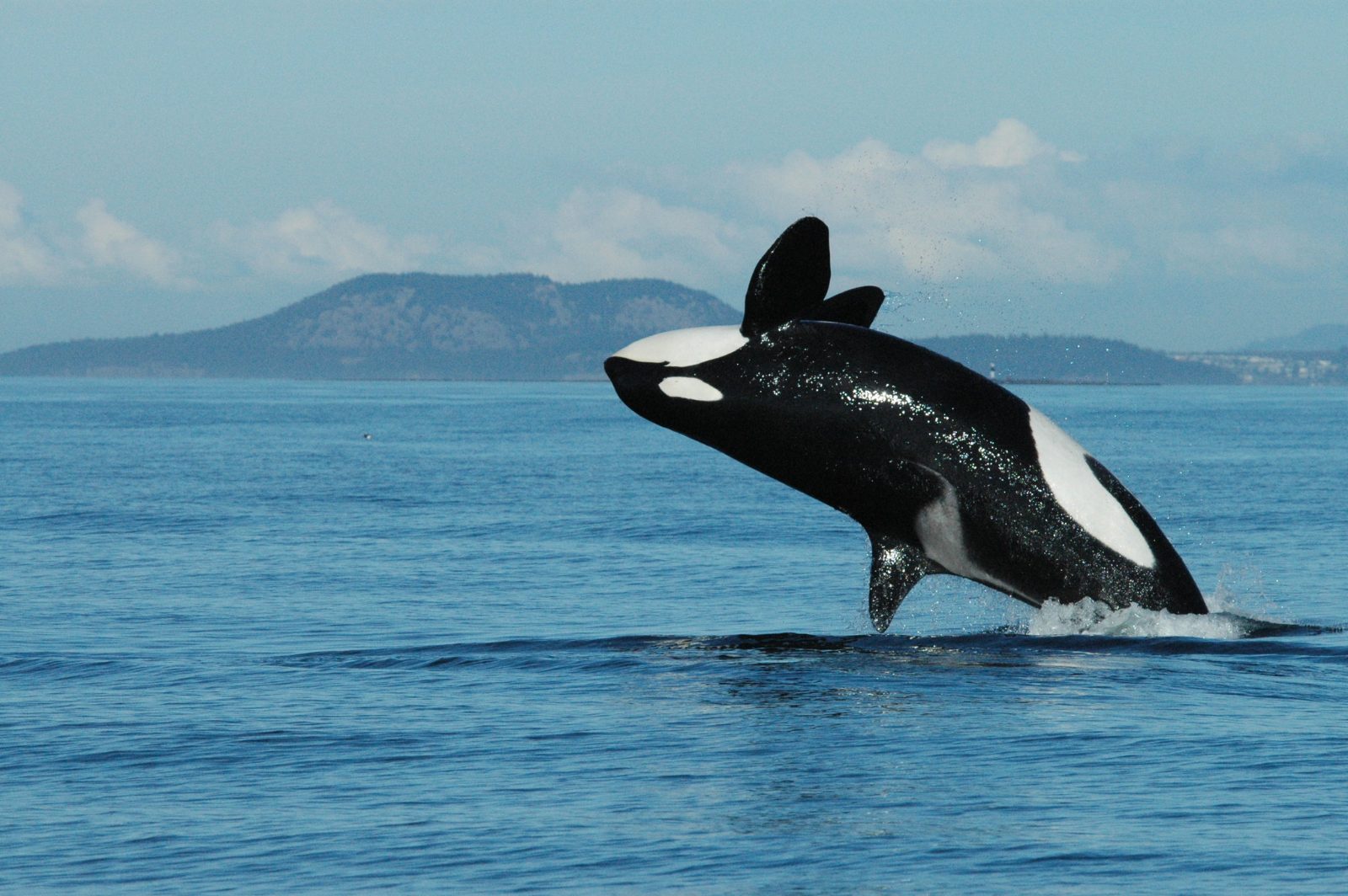
Yes, you can see whales in Vancouver throughout the migration season from April through October, with the highest concentration of sightings between May and September. Three species appear regularly: resident orcas hunting Chinook salmon, humpback whales feeding on herring and krill near the Fraser River delta, and grey whales passing through on their northward migration. Departures from Richmond access the southern Strait of Georgia, where whale activity peaks during morning and early afternoon hours when tidal currents concentrate prey.
The Salish Sea supports one of the densest concentrations of marine mammals in the Pacific Northwest, with over 200 documented individual whales catalogued by researchers between Vancouver Island and the mainland coast. Vancouver whale watching operates along migration corridors where three distinct populations converge: the Southern Resident orcas, a genetically isolated community of 75 individuals; North Pacific humpbacks returning from Hawaiian breeding grounds; and Eastern Pacific grey whales completing their 10,000-mile journey from Baja California lagoons. Resident orcas follow Fraser River Chinook salmon into the Strait of Georgia, creating predictable sighting opportunities when salmon runs peak between late spring and early autumn. Humpback whales, absent from these waters for decades due to commercial whaling, have rebounded since the 1990s and now number over 300 individuals in the regional population. Grey whales appear primarily during their northward migration in April and May, though a small group of non-migratory individuals remains near Vancouver Island year-round. Vessel operators monitor real-time whale reports from the Pacific Whale Watch Association network, which tracks movements across a 1,200-square-mile area. Marine conditions determine daily sighting probability more than season alone. Morning departures benefit from calmer seas and increased whale activity during tidal exchanges, when upwelling currents push nutrient-rich water into shallow feeding zones. Afternoon wind patterns often reduce visibility and surface conditions by mid-day. Tours departing from Richmond's Steveston Harbor reach primary whale zones within 30 to 45 minutes, accessing the southern Gulf Islands and Boundary Pass where orca pods spend 60 percent of daylight hours during salmon season. Binoculars, hydrophones for listening to echolocation clicks, and onboard naturalists are standard across licensed operators. Whale behavior varies by species and life stage. Orcas travel in matriarchal pods, surfacing every three to five minutes in coordinated breathing patterns. Humpbacks breach, tail-slap, and lunge-feed at the surface when herring schools are dense. Grey whales dive for 10 to 15 minutes while bottom-feeding, making them harder to track than the more surface-active species. Federal regulations require vessels to remain 200 meters from whales and prohibit path interception, ensuring encounters occur on the animals' terms rather than through pursuit.
“The Salish Sea supports one of the densest concentrations of marine mammals in the Pacific Northwest, with over 200 documented individual whales catalogued by researchers.”
When Can You See Whales in Vancouver: Seasonal and Daily Timing
The peak season for whale watching in Vancouver spans from April to October, with the best visibility occurring during the morning and early afternoon. Planning your arrival within the 09:00–14:00 window maximizes opportunities to observe whale activity in the Salish Sea.
Peak Season (April–October)
HighMild, 12°C to 22°C
Whales are most active and sightings are frequent during these months.
Shoulder Season (March, November)
ModerateCool, 5°C to 12°C
Migratory patterns result in fewer sightings compared to summer months.
Morning and Early Afternoon
High activity—
The 09:00–14:00 window provides optimal light and sea conditions for spotting marine life.
Verdict: For the highest probability of sightings, plan your trip between April and October and schedule your arrival during the 09:00–14:00 window.
How to Reach the Launch Site If You Can See Whales in Vancouver
The departure point for whale watching tours is located at 12240 Second Avenue in Richmond, British Columbia. Most visitors reach this site by taking the Canada Line train south toward Richmond or by driving via Highway 99.
Canada Line to Richmond-Brighouse Station
Highway 99 S to Steveston Hwy
Direct from downtown Vancouver
Daily Operating Hours for When You Can See Whales in Vancouver
Our operations office is open daily to assist with your whale watching inquiries and tour departures.
| Monday | 09:00–17:00 | |
|---|---|---|
| Tuesday | 09:00–17:00 | |
| Wednesday | 09:00–17:00 | |
| Thursday | 09:00–17:00 | |
| Friday | 09:00–17:00 | |
| Saturday | 09:00–17:00 | |
| Sunday | 09:00–17:00 |
Pre-Visit Checklist Before You See Whales in Vancouver
Prepare for your whale watching tour with these essential items and steps to ensure a comfortable experience on the water.
-
Book your tour in advance — Tours fill quickly during peak season, especially morning departures.
-
Bring photo ID and confirmation email — Required at check-in for all passengers.
-
Wear layered waterproof clothing — Temperatures drop on the water and spray is common.
-
Pack sunglasses and sunscreen — UV exposure increases significantly on open water.
-
Arrive 30 minutes before departure — Allows time for check-in, safety briefing, and boarding.
-
Bring a camera with zoom lens — Whales surface at varying distances from the boat.
-
Take motion sickness medication if needed — Administer 30–60 minutes before departure for best effectiveness.
Check availability
Frequently Asked Questions About Whale Watching in Vancouver
Everything you need to know about can you see whales in vancouver